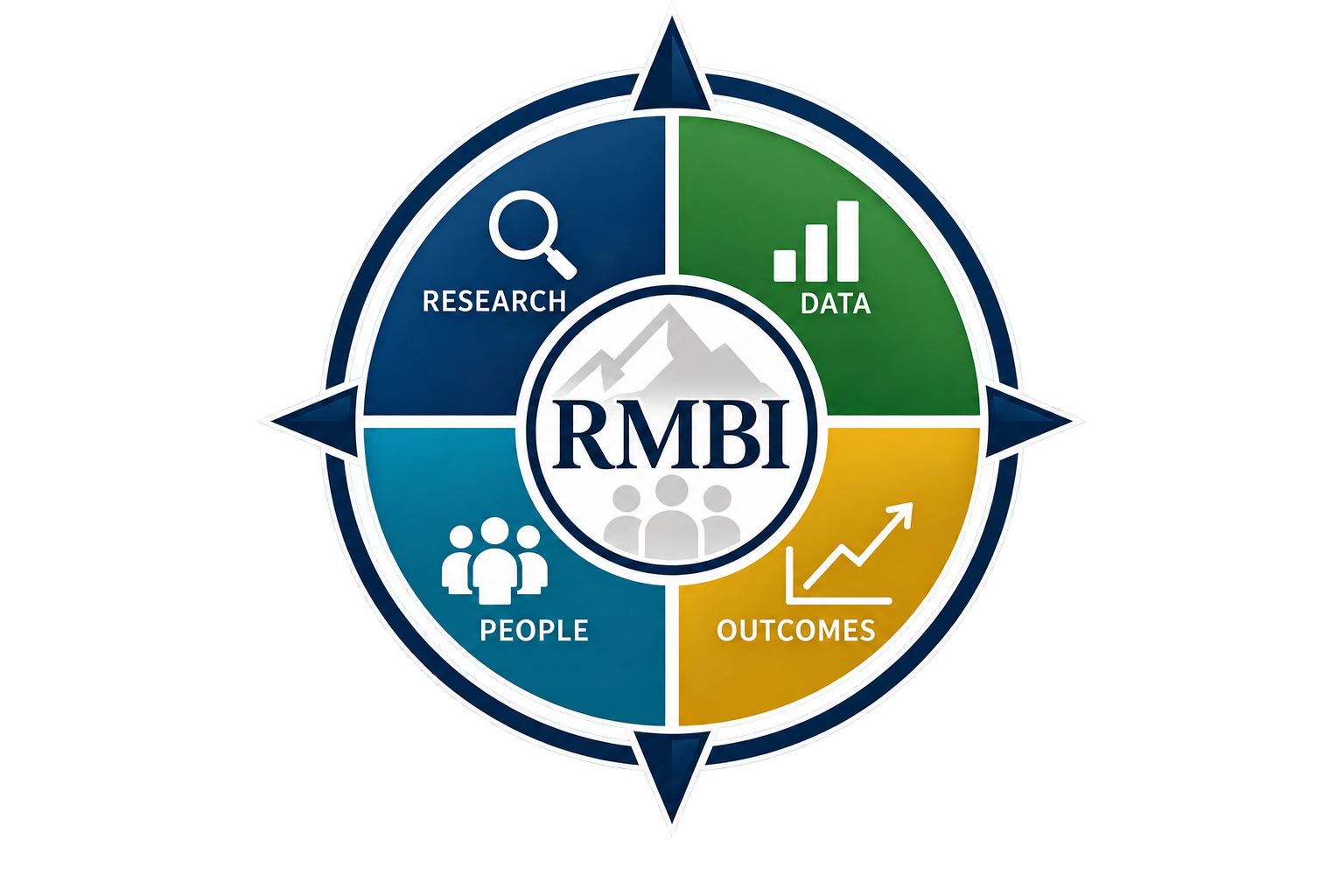
RMBI does more than rank communities. Across the seven dimensions, three patterns stand out in the publication-locked results.
01
↑
RELIGION MATTERS
Religious communities outperform the religiously unaffiliated.
Every religious community in the current RMBI comparison scores above the Religiously Unaffiliated overall. The pattern is not limited to belief or attendance; it appears across a broader package of measurable member outcomes and benefits.
22.3/100Religiously Unaffiliated overall RMBI score, below every religious community in the current comparison.
02
★
DENOMINATION MATTERS
Some denominations are associated with a substantial member advantage.
The Church of Jesus Christ of Latter-day Saints is the clearest example. Its profile leads the index across multiple dimensions rather than relying on one isolated result, showing how strongly a religious community can be associated with a broad package of member benefits.
82.1/100Latter-day Saint overall RMBI score, ranked #1 in the current comparison.
03
✕
THE “CULT” CLAIM
The “cult” harm claim fails the outcome test.
RMBI does not decide theology or define which groups deserve a label. But one central accusation behind the word cult is testable: that a religious community is broadly harmful to its members or society. Across the outcomes measured here, major denominations show substantial positive results rather than the broad pattern of harm that accusation predicts.
THE DATA POINTS THE OTHER WAYService, family stability, giving, resources, engagement and life outcomes do not show a broad pattern of member harm.