RMBI Measuring What Matters.
The Religious Member Benefit Index compares measurable outcomes and member-access benefits associated with religious communities. Evidence from 13 research study/data families, together with national administrative data, is organized across seven research-derived dimensions to create one transparent comparative index.
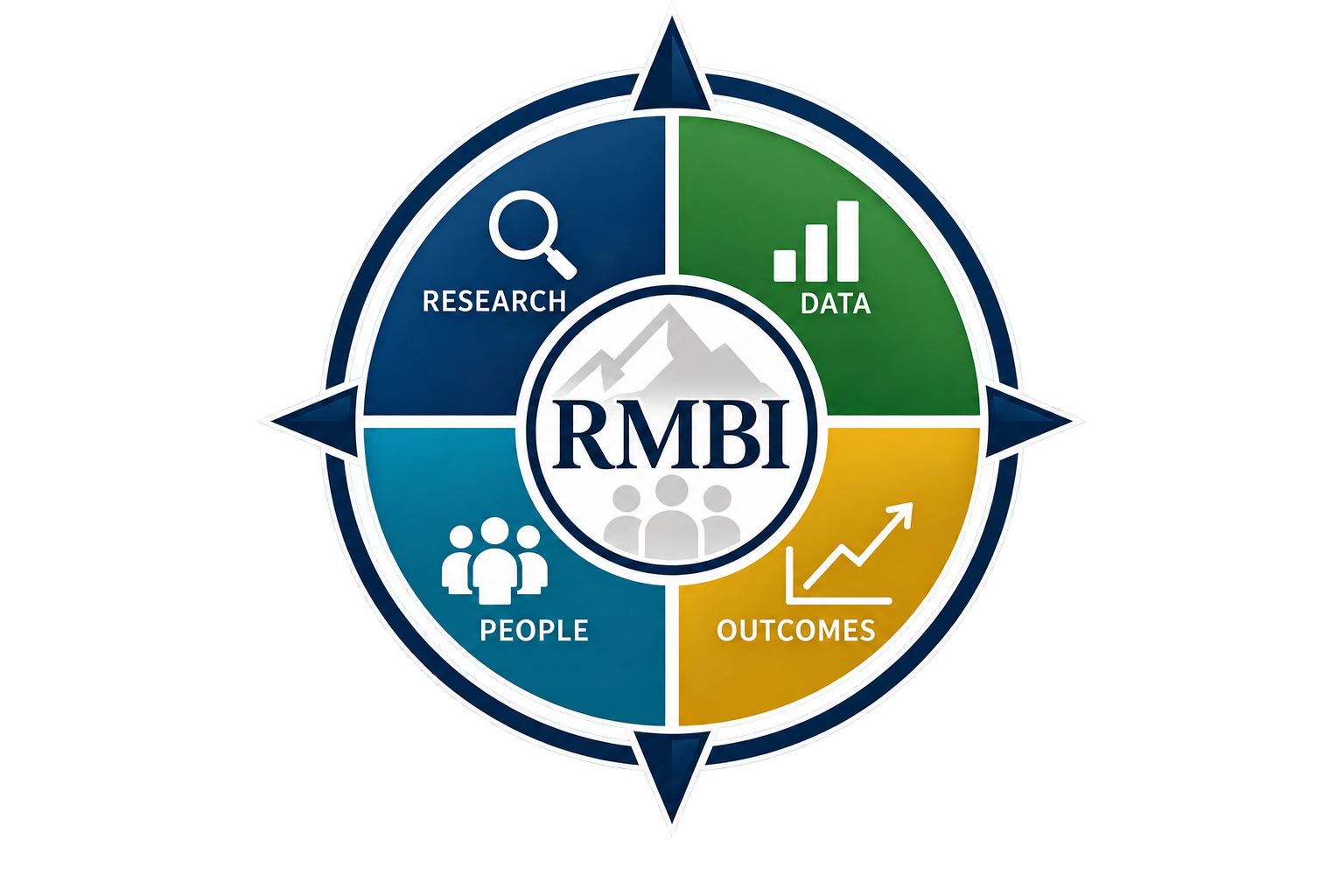
The 7 Dimensions of Member Benefit
Seven research-derived dimensions. Multiple national data sources. One question: what does the combined body of evidence show about measurable outcomes and member-access benefits across religious communities?
1. Volunteer Service
Measures participation in volunteering and service to others using multiple national studies and verified study composites.
2. Life / Youth Outcomes
Measures happiness, health, family-life satisfaction, education, income, and youth outcomes across qualifying research.
3. Family Stability
Measures marriage, partnership stability, and religious matching within couples using comparable national evidence.
4. Member Resources
Measures tangible resources an ordinary member can reasonably access, including welfare, education, employment, counseling, youth, and recovery support.
5. Charitable Giving
Measures religious giving, total charitable giving, and giving relative to household income.
6. Institutional Reach
Measures geographic and structural availability using national adherent, congregation, population-access, and breadth measures.
7. Religious Engagement
Measures attendance, prayer, scripture reading, religious importance, membership, and participation intensity.
Built to Compare Measurable Member Outcomes
The Religious Member Benefit Index combines multiple national data sources to compare measurable outcomes and member-access benefits across seven research-derived dimensions.
Dimensions
A comprehensive view of measurable member benefit.
Research Families
Six core scoring studies and seven supporting research families contribute evidence across the index, with U.S. Religion Census administrative data used for Institutional Reach.
Member Outcomes
A multidimensional view of outcomes, resources, giving, reach, and engagement.
A Transparent Scoring Framework
RMBI converts unlike forms of evidence onto comparable scales, combines qualifying measures within each study and dimension, and then produces the overall comparative index. The full methodology, including normalization, weighting, missing-data treatment, evidence standards, and robustness testing, is documented separately.
Want to see exactly how the score is built?
Review the complete calculation pipeline, scoring rules, weighting, evidence grades, and limitations on the Methodology page.
See the Overall Result, Then Look Under the Hood
The overall score is the beginning of the story, not the end. Explore the seven dimensions, compare two religious groups directly, and inspect the standardized variables and raw evidence behind each result.
Overall RMBI Score
Move the Conversation From Claims to Outcomes
Religious communities make many claims about meaning, family, service, well-being, and human flourishing. RMBI asks a narrower evidence question: what measurable outcomes and member-access benefits are associated with the communities people belong to?
Measure Broadly
No single outcome captures the full experience of religious life. RMBI evaluates member benefit across seven distinct dimensions.
Compare Fairly
Communities are evaluated using consistent standards and comparable evidence rather than selective examples.
Show the Evidence
Users should be able to see the research, understand the limitations, and judge the evidence for themselves.
Explore the Religious Member Benefit Index
Compare measurable outcomes across communities, dimensions, and evidence.